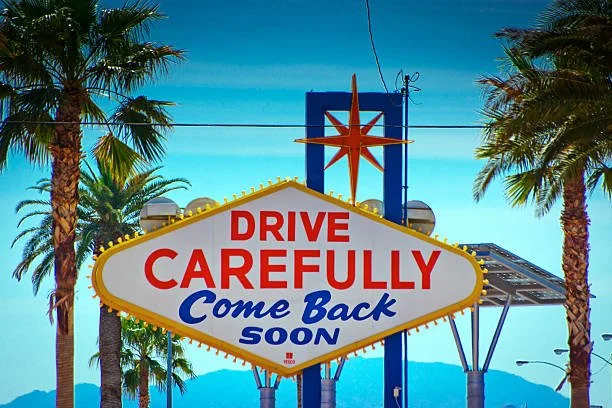

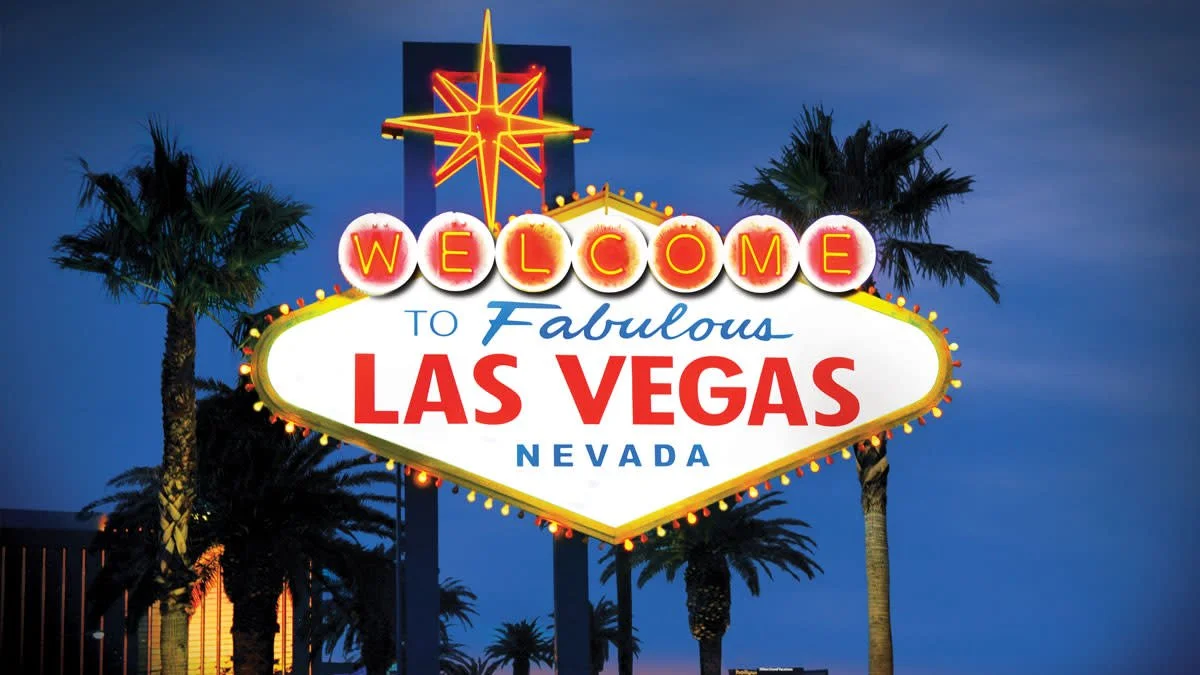
Las Vegas isn’t supposed to be a hometown. It’s a destination, a backdrop, a temporary state of mind. People arrive with plans and leave with stories. Very few imagine growing up there, learning the shape of their days in a city built for nights that don’t repeat.
But that’s where I’m from.
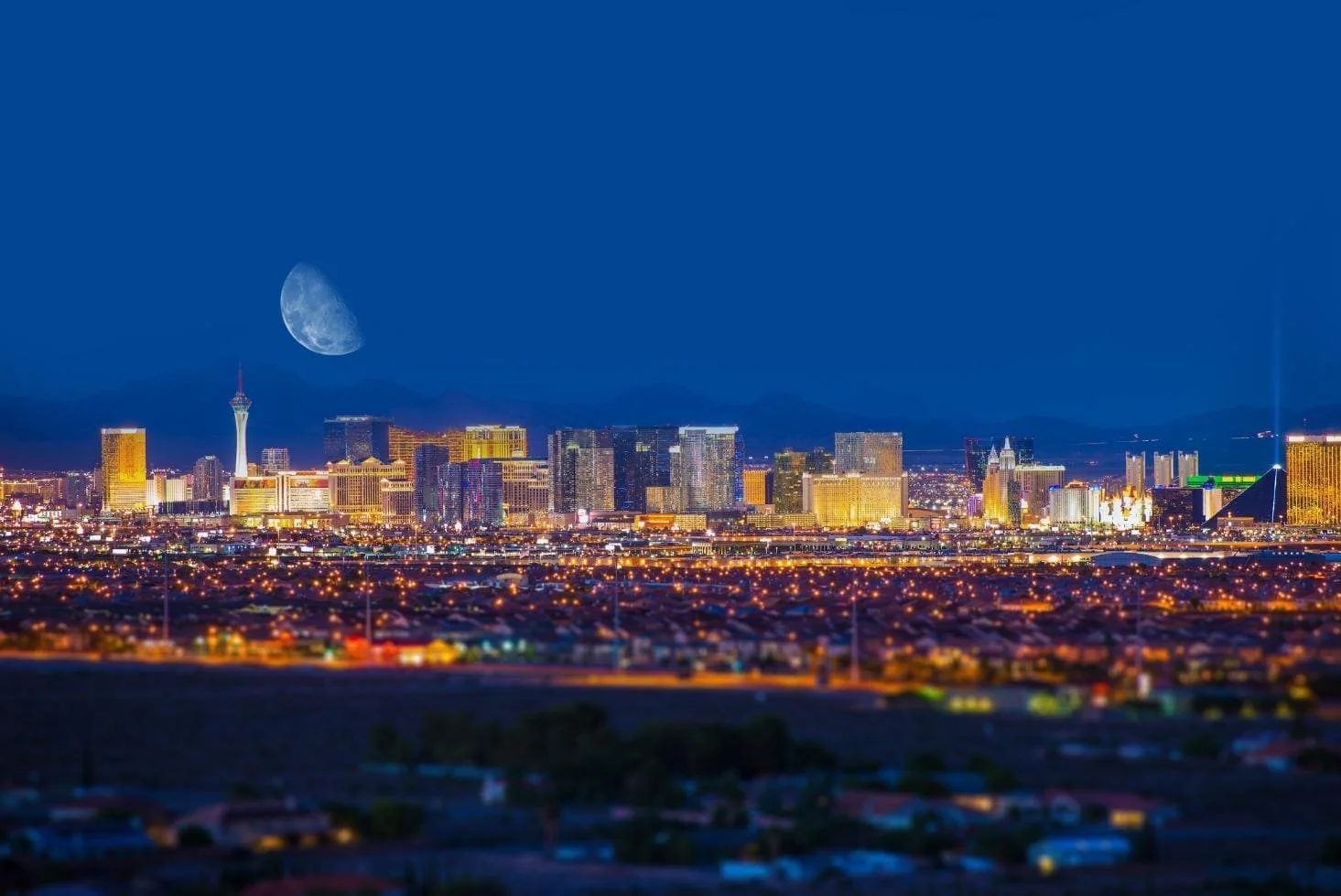
Growing up in Las Vegas meant living behind the curtain. The city everyone else experienced was a version designed for them, but not for me and mine. The Strip was something you passed on the way to somewhere else, or something your parents worked inside of, not a place you lingered. While tourists came for spectacle, locals learned routine: traffic patterns that changed by the hour, parking garages that felt like second homes, and landmarks that were never really landmarks because they were constantly being replaced.
Everyone I knew was connected to the city through work. A friend’s dad was a blackjack dealer. Someone’s mom cleaned rooms at a casino you’d recognize instantly if I named it. Others worked lights, sound, costumes, security. Some acted in shows on the Strip or at musical revenues designed to repeat night after night. Entertainment wasn’t an abstract idea. It was a job. It paid rent. It dictated schedules. Hell, my own grandfather played drums at the Hilton back in the day. (Back when there was a Hilton).
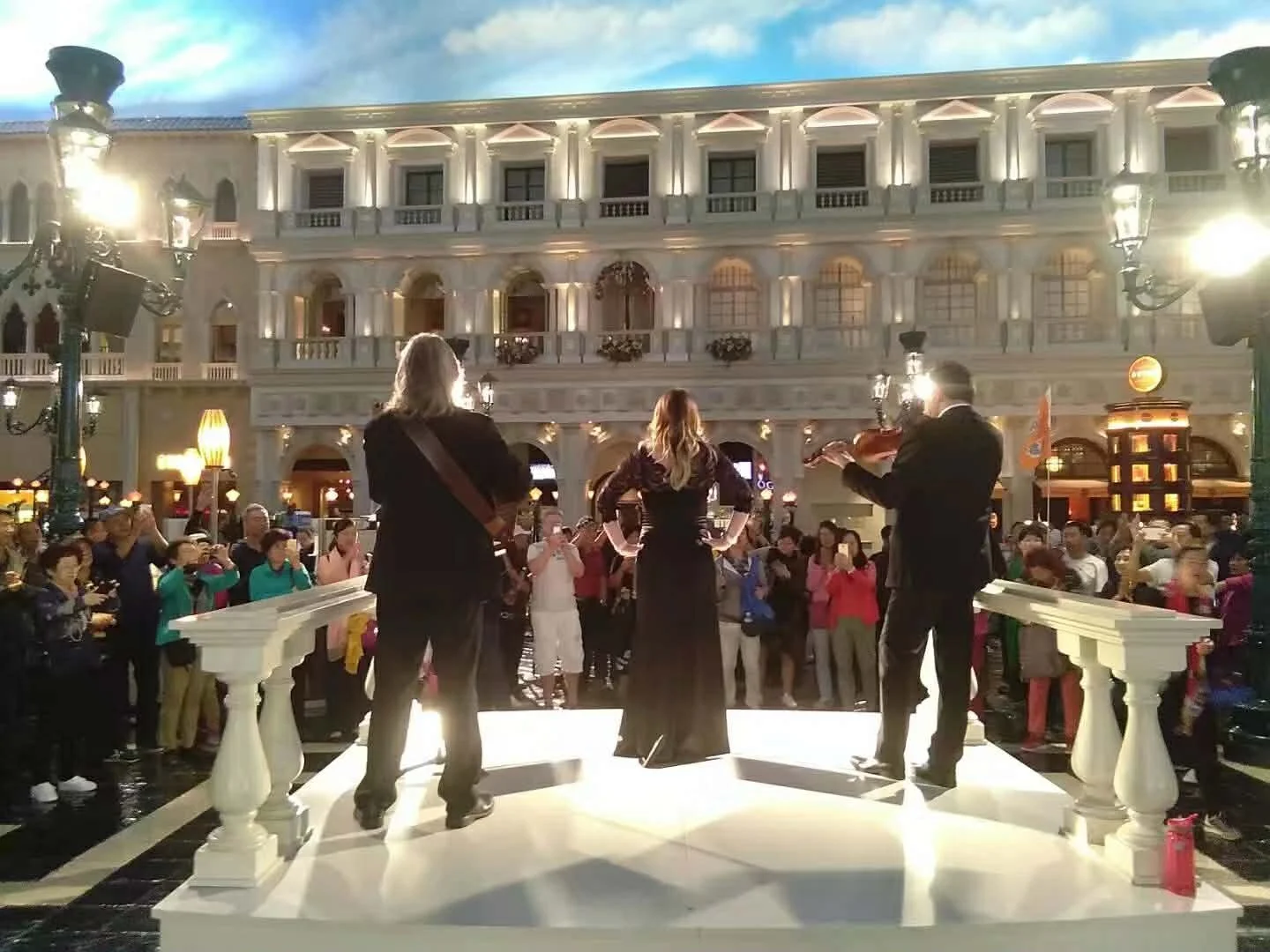
That proximity to performance mattered. The arts weren’t something distant or precious; they were practical. Theatre and art friends after graduating went to work in environments that blurred the line between play and labor. Acting wasn’t framed as fame; it was framed as consistency. Could you hit your mark every night? Could you do the same thing again, cleanly, for a crowd that wasn’t really watching you, but the idea of you?
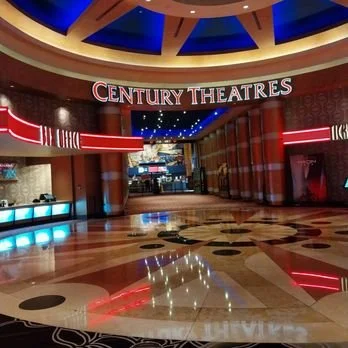
Even going to the movies felt different. Many of our theaters were inside casinos. You’d walk past slot machines, carpet patterns designed to confuse your sense of direction, the low ambient noise of bells and voices, and then suddenly you were sitting in the dark watching a story unfold somewhere else. That transition always stuck with me. Moving from artificial daylight and manufactured excitement into a quiet room where imagination took over. Storytelling lived inside spectacle, not separate from it.
In the 1990s, Las Vegas also tried very hard to be something else entirely. It marketed itself as a family destination. Theme parks appeared. Roller coasters wrapped around hotels. Pirate battles played out down the street from a castle. There was a version of the city that felt like an adult Disneyland. It was bright, surreal, theatrical, but with an undercurrent you sensed without fully understanding. As a kid, it felt normal. Looking back, it feels like a strange experiment: a city trying to make itself safe and spectacular at the same time.
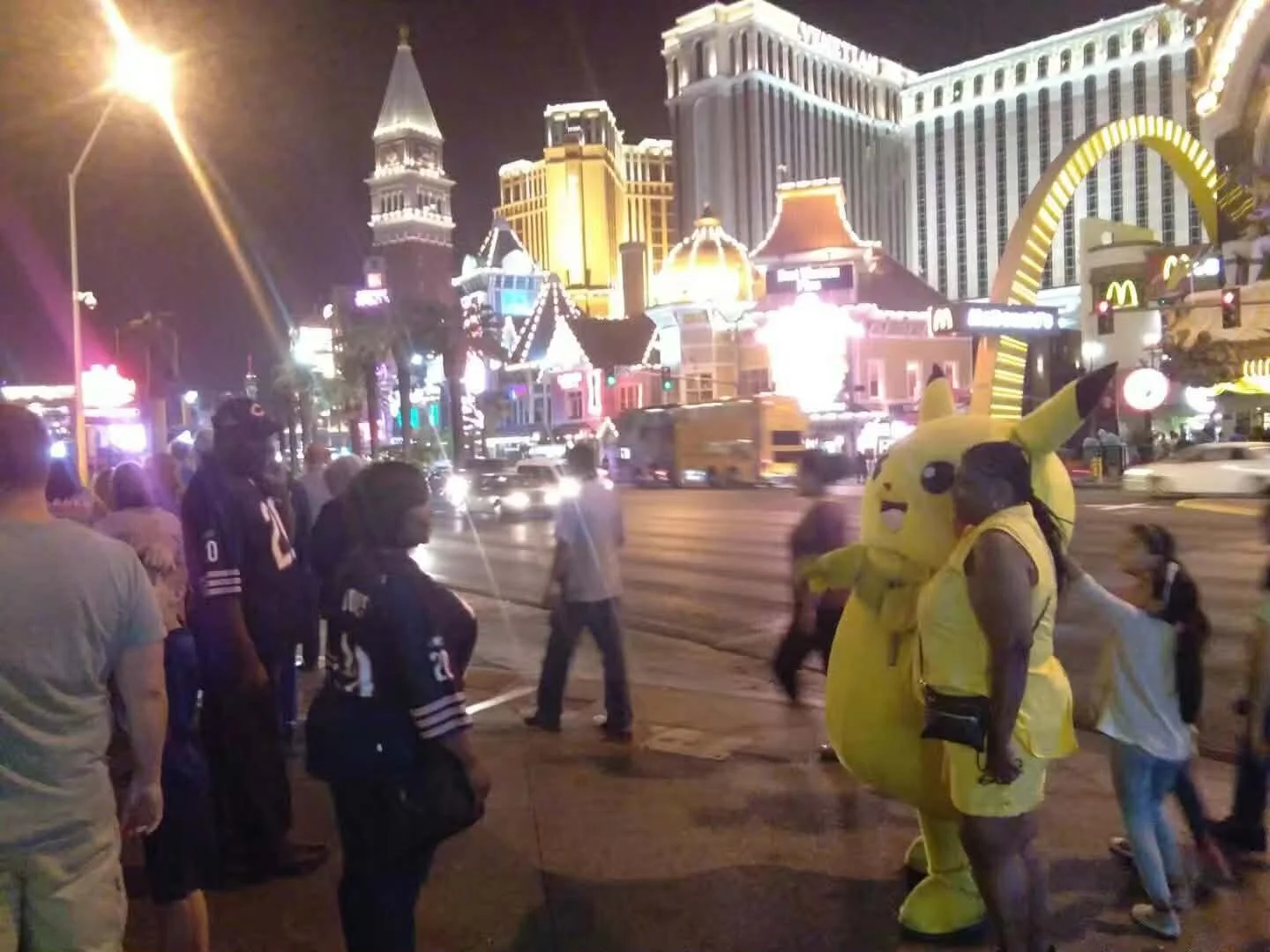
Before I was old enough to drink or gamble, Las Vegas already felt like a place I wasn’t meant to fully access. So much of the city existed just out of reach behind velvet ropes, age restrictions, or social codes that didn’t apply to you yet. You learned to observe instead of participate. To notice patterns. To understand how environments were constructed for specific kinds of people and how easily you could exist outside that target audience.
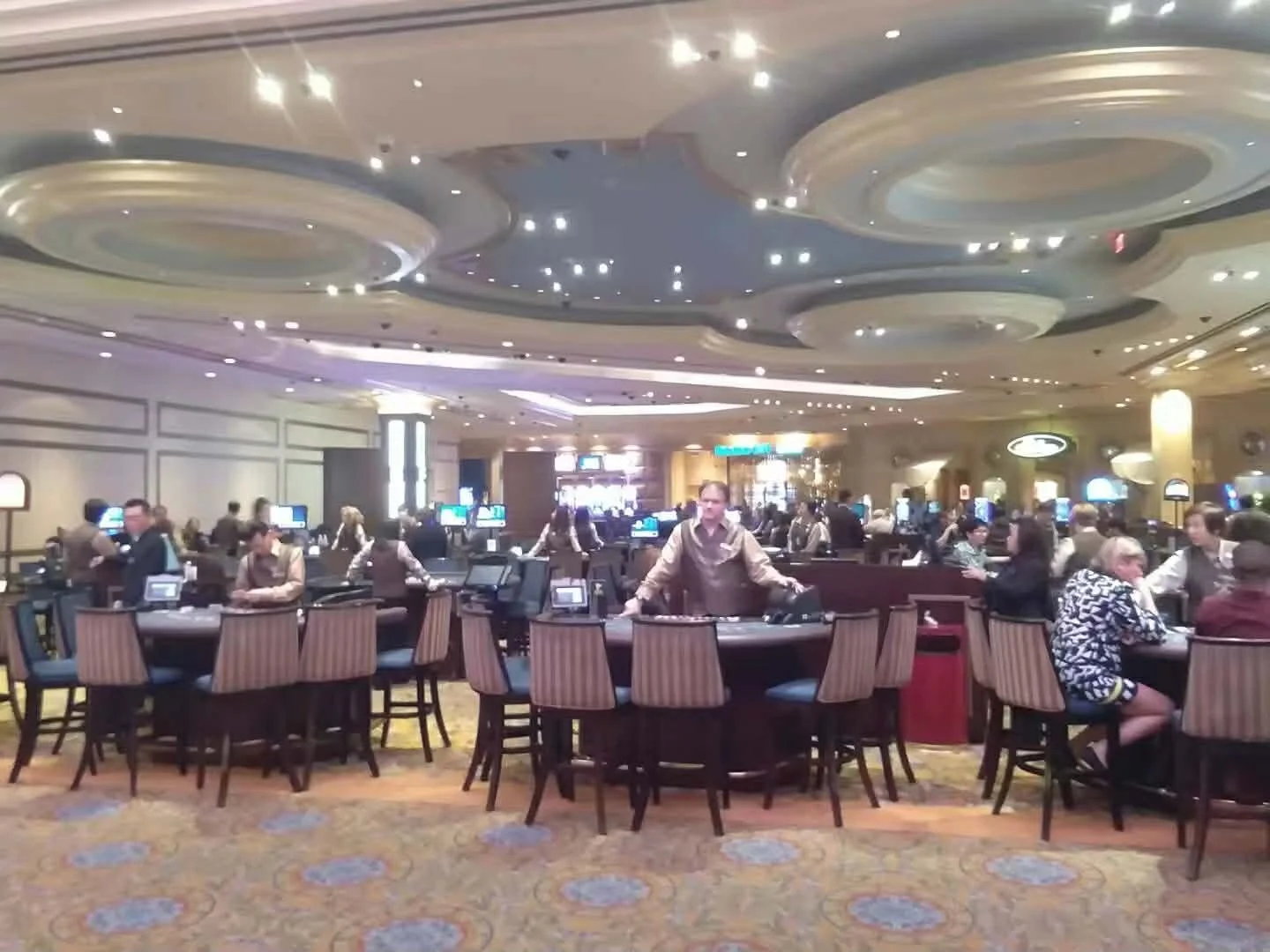
That perspective shaped me more than I realized at the time. Growing up in a place that wasn’t supposed to be home teaches you how to live slightly out of alignment. You learn early that environments are designed, not natural. That experience is curated. That reality can be built, sold, dismantled, and rebuilt again a few blocks away.
When people talk about being “from nowhere,” they usually mean absence. A lack of culture, history, or identity. For me, nowhere was formative. It taught me how to look at systems, at spectacle, and at performance not as magic, but as construction. It made me comfortable existing between categories: local but not the audience, participant but not the target.
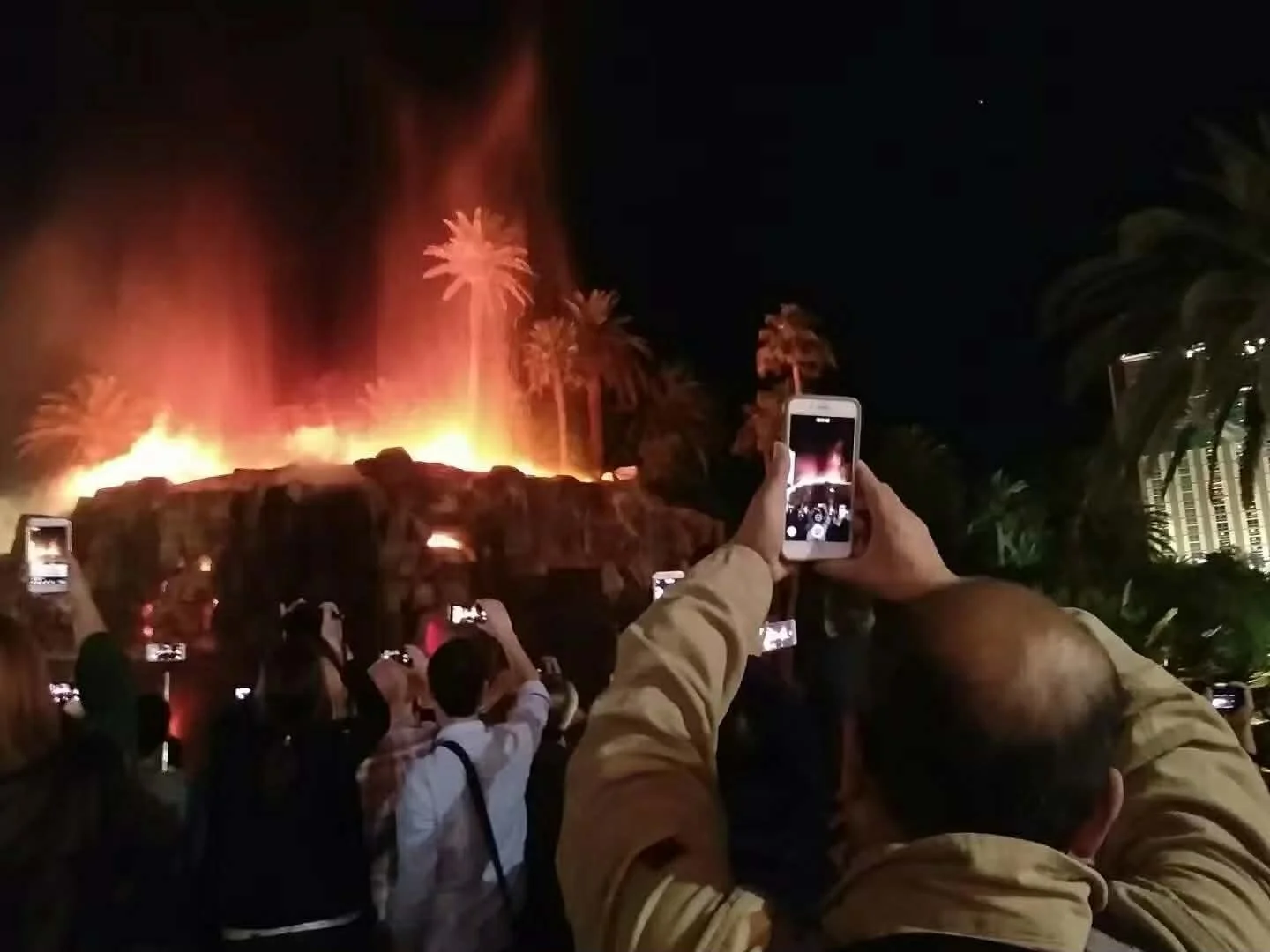
Las Vegas didn’t give me roots in the traditional sense. It gave me mobility. It gave me an understanding that place is something you move through, not always something you belong to. And strangely, that made everything that came after with travel, art, film, writing, and building worlds feel inevitable.
I wasn’t raised in a place meant to keep me.
I was raised in a place that taught me how to leave, how to look, and how to build something of my own once I did.