The Backwards Stare Disorder: Why No One Ever Looks at the Explosion
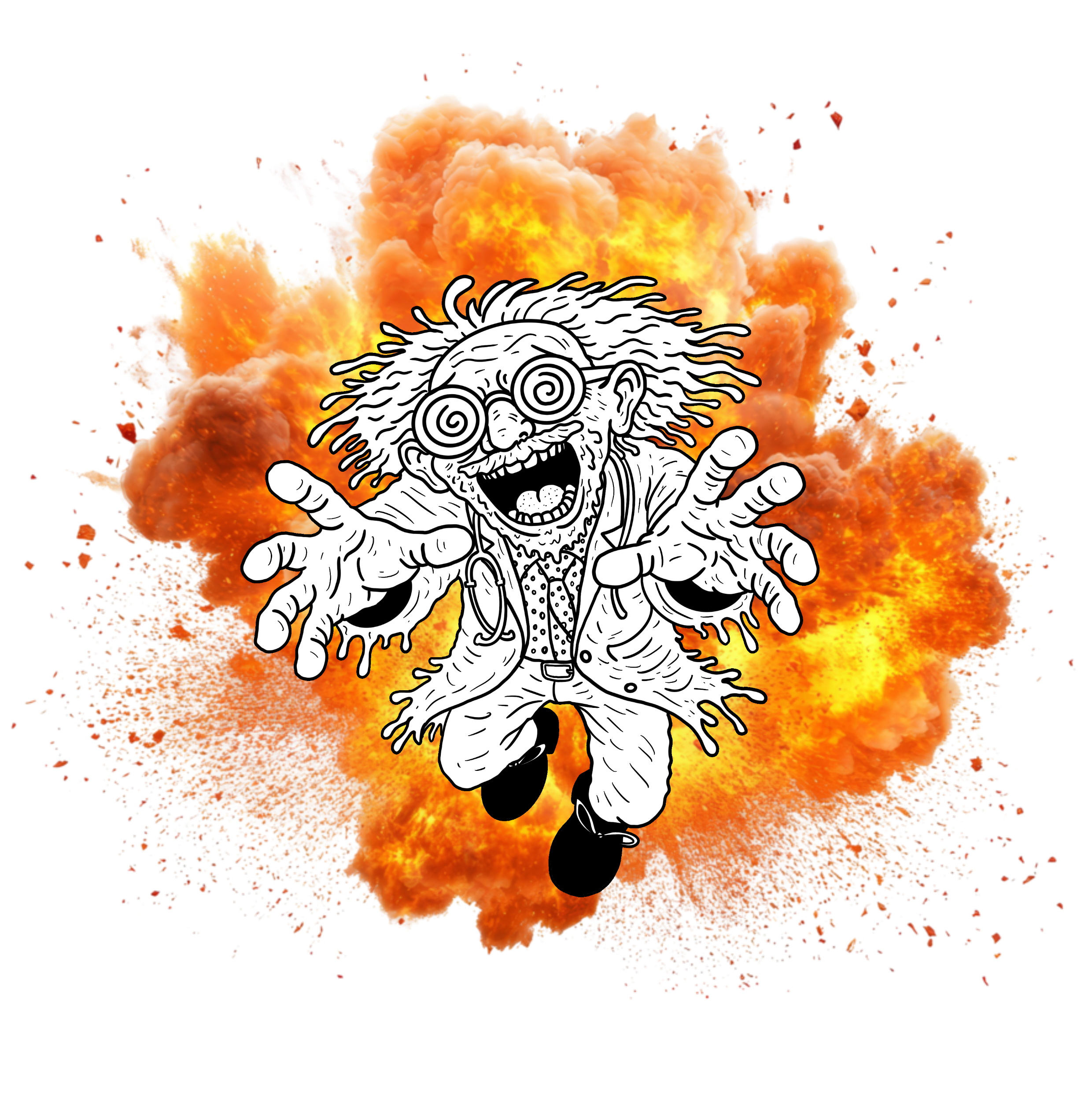
The Doctor Is In. Please Remain Calm.
And by calm, I mean do not turn around. Under no circumstances should you turn around.
If you’ve noticed that movie characters rarely, if ever, look directly at the massive explosion happening behind them, congratulations. You have early-stage awareness of Backwards Stare Disorder (BSD), a condition so widespread in cinema that it is now considered a stylistic norm rather than a medical emergency.
I’m Doctor Director, and today we’ll be examining why explosions apparently become less interesting the moment they happen.
Presenting Symptoms
Patients suffering from Backwards Stare Disorder often display the following behaviors:
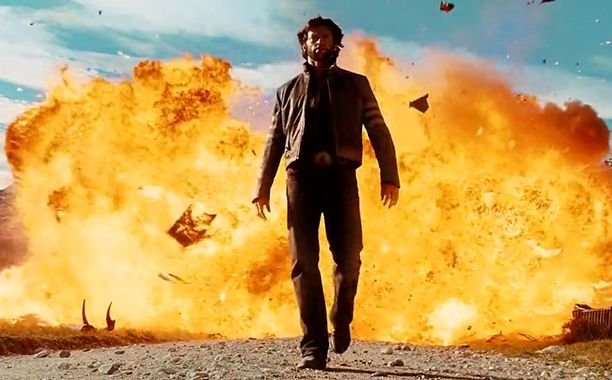
Walking away calmly while buildings detonate
Removing sunglasses after the explosion, never before
Standing perfectly still as fire blooms behind them
Delivering a one-liner to no one in particular
Refusing to acknowledge physics, sound, or heat
Notably, these patients show no instinctual reaction to sudden loud noises—something that, in real life, would get you removed from society and possibly studied.
Doctor’s Notes:
In every scan, the explosion is treated less like an event and more like background decoration. Fire becomes set dressing. Destruction becomes ambiance.
This is not realism. This is branding.
The Root Cause (Visual Authority Syndrome)
Explosions are chaotic.
Characters are brands.
If a character were to look at the explosion:
The viewer would follow their gaze
The explosion would become the subject
The character would momentarily lose dominance
By refusing to look, the character asserts control.
In cinematic language:
“This does not concern me.”
This communicates confidence faster than dialogue ever could.
Visual Evidence: Eye-Line Control
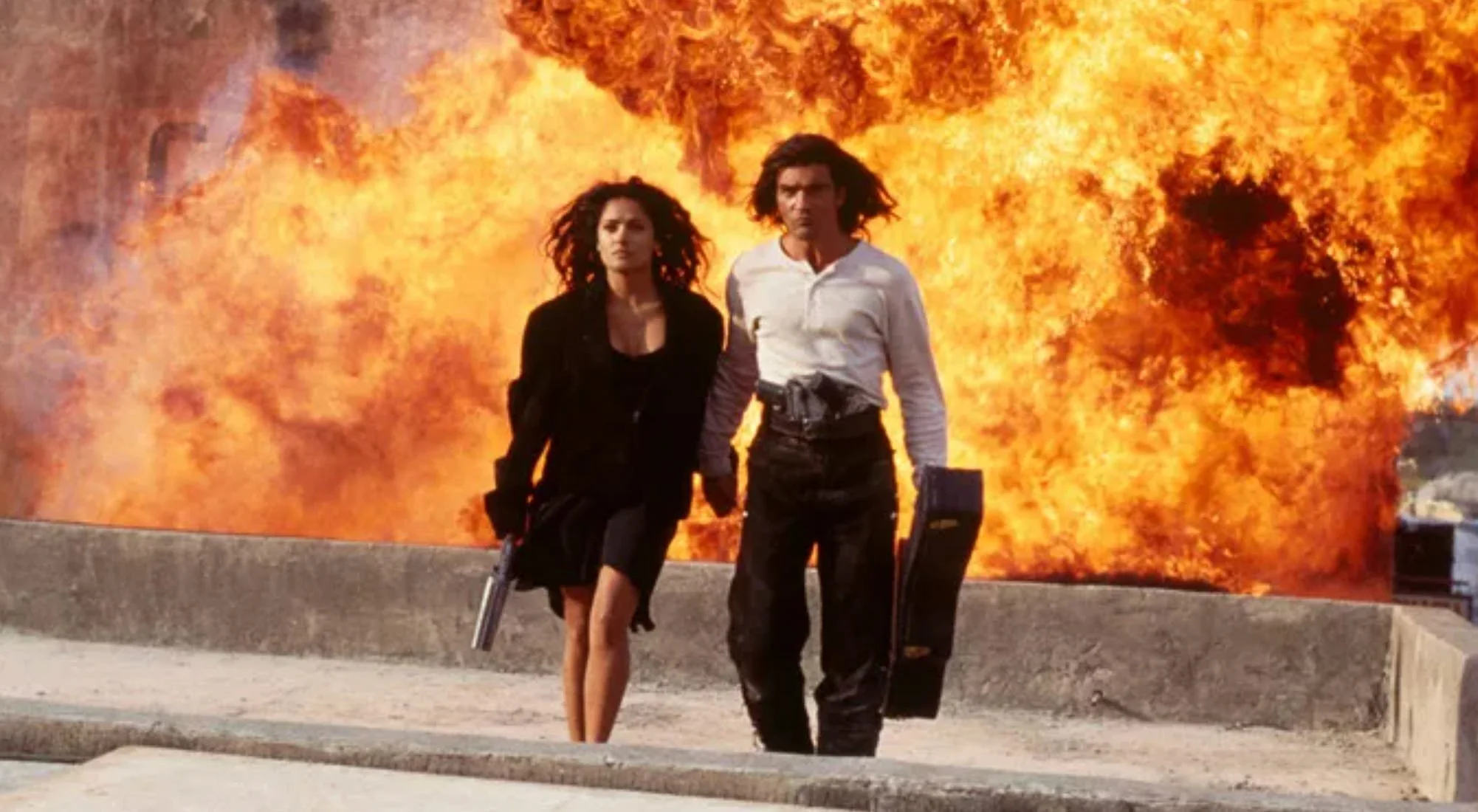
Doctor’s Notes:
Human perception instinctively follows eye lines.
No eye-line = no shared panic.
The audience is denied permission to react.
Psychological Mechanism: Coolness as Composure
From a behavioral psychology standpoint, emotional restraint is often interpreted as:
Strength
Experience
Authority
The character doesn’t react because reacting is for people who are new to this.
The explosion is treated as background noise like an environmental effect, like wind or rain.
Cultural Confirmation: The Song That Diagnosed It First
If you want to hear how deeply this cultural trope has cemented itself, here’s the official parody song immortalizing it.
This track , created for the 2009 MTV Movie Awards, satirizes exactly what we’re diagnosing:
“Cool guys don’t look at explosions / Who’s got time to watch an explosion?”
Even its creators admit they thought they might kill the trope, yet Hollywood just… kept doing it.
Visual Evidence: Trope Recognition
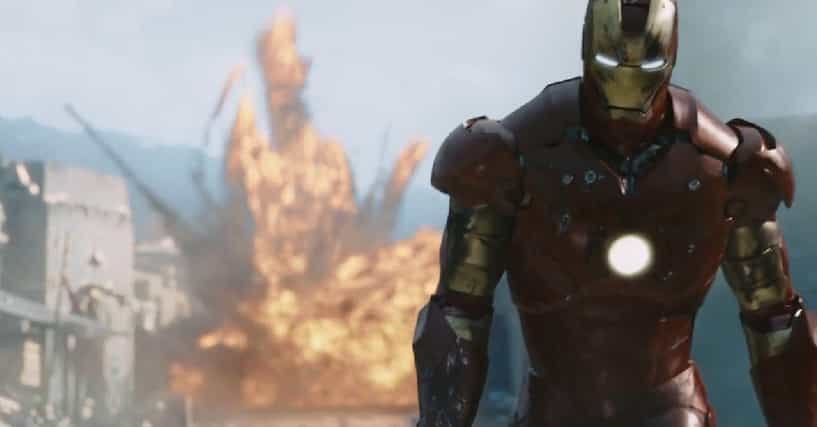
Doctor’s Notes:
Different actors.
Different genres.
Same behavior.
This is not character choice.
This is cinematic reflex.
Why This Keeps Happening
Because it works.
Backwards Stare imagery:
Reads instantly at poster size
Signals confidence without dialogue
Avoids emotional complexity
Looks good in slow motion
It is efficient.
It is recognizable.
It is safe.
Side Effects
Long-term exposure may result in:
Emotional numbness to spectacle
Expecting calm during emergencies
Distrust of characters who react realistically
Believing explosions are quieter than they are
If you’ve ever thought, “That was badass,” instead of “That should have killed them,” the diagnosis is confirmed.
Prognosis
Is Backwards Stare Disorder dangerous?
No.
Is it realistic?
Not remotely.
Is it now mandatory in action cinema?
Practically.
The explosion is no longer the climax.
It is set dressing.
Doctor Director’s Recommendation
Next time you see a character walk away from an explosion, ask yourself:
What would happen if they looked?
Would the moment feel smaller, or more honest?
If acknowledging the blast would reduce the character’s power, you are observing a textbook case of The Backwards Stare Disorder.