

Why We Grind
Repetition, Progress Bars, and the Lie of “Just One More Run”
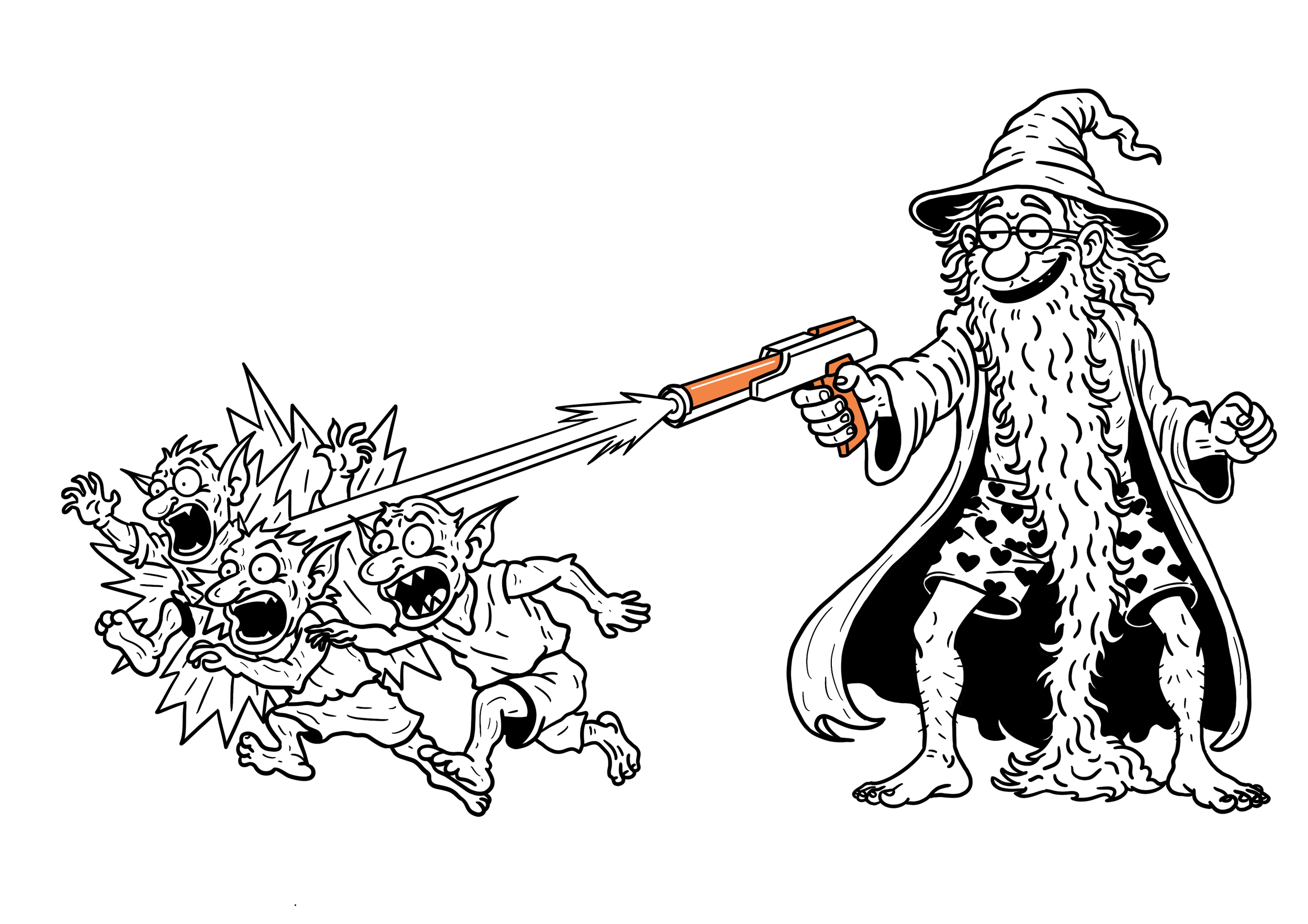
I’m The Game Wizard, and today we’re talking about grinding.
Grinding is what happens when a game stops asking, “Can you do this?” and starts asking, “How long are you willing to keep doing it?”
No mechanics to learn. No surprises. Just reps.
If you’ve ever put on a podcast while playing, this one’s for you.
What Grinding Actually Is
Grinding is a designed repetition loop where progress is guaranteed as long as you keep performing already solved actions.
You know the enemy pattern, you know the route, and you know that the drop rate is bad, but not that bad.
There’s no real risk anymore. Just time.
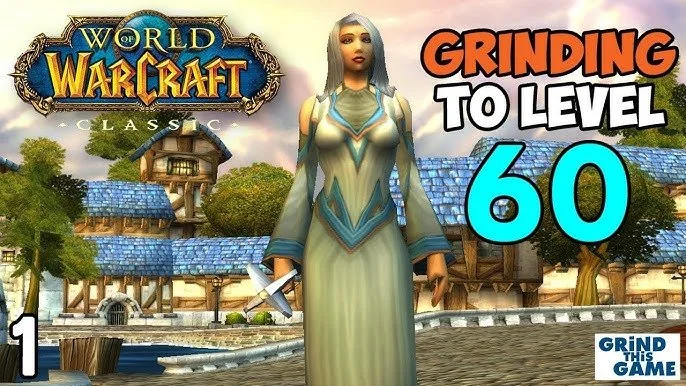
It’s okay, I didn’t need to go outside today.
How You Know You’re Grinding
You’re probably grinding if:
You could do the encounter on muscle memory alone
Your brain is half-checked out
You’re watching numbers go up, not situations change
Progress feels slow but inevitable
Stopping feels worse than continuing
That last one matters. We’ll come back to it.
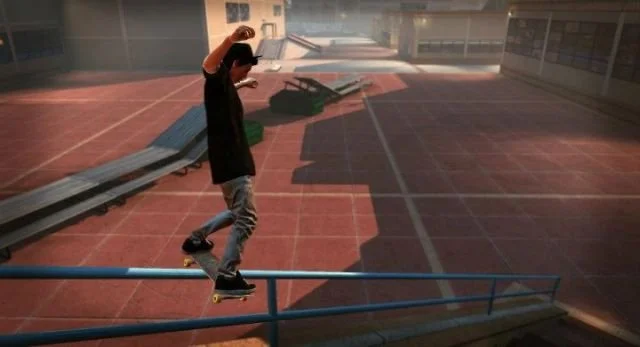
No, not this kind of grinding. Pay attention.
Why We Put Up With It
Grinding works because it taps into a few very old, very reliable psychological effects.
1. Effort Justification
(Arkes & Blumer, 1985)
In their classic study The Psychology of Sunk Cost, psychologists Hal Arkes and Catherine Blumer showed that people value outcomes more when they require effort, even if the effort doesn’t improve the result.
In games, this means that a weapon earned after 12 hours feels “deserved,” and the same weapon handed to you feels cheap.
You didn’t get stronger, you got attached
That’s why players defend grind-heavy systems after finishing them.
You paid for it in time. Of course, you’re going to justify it.
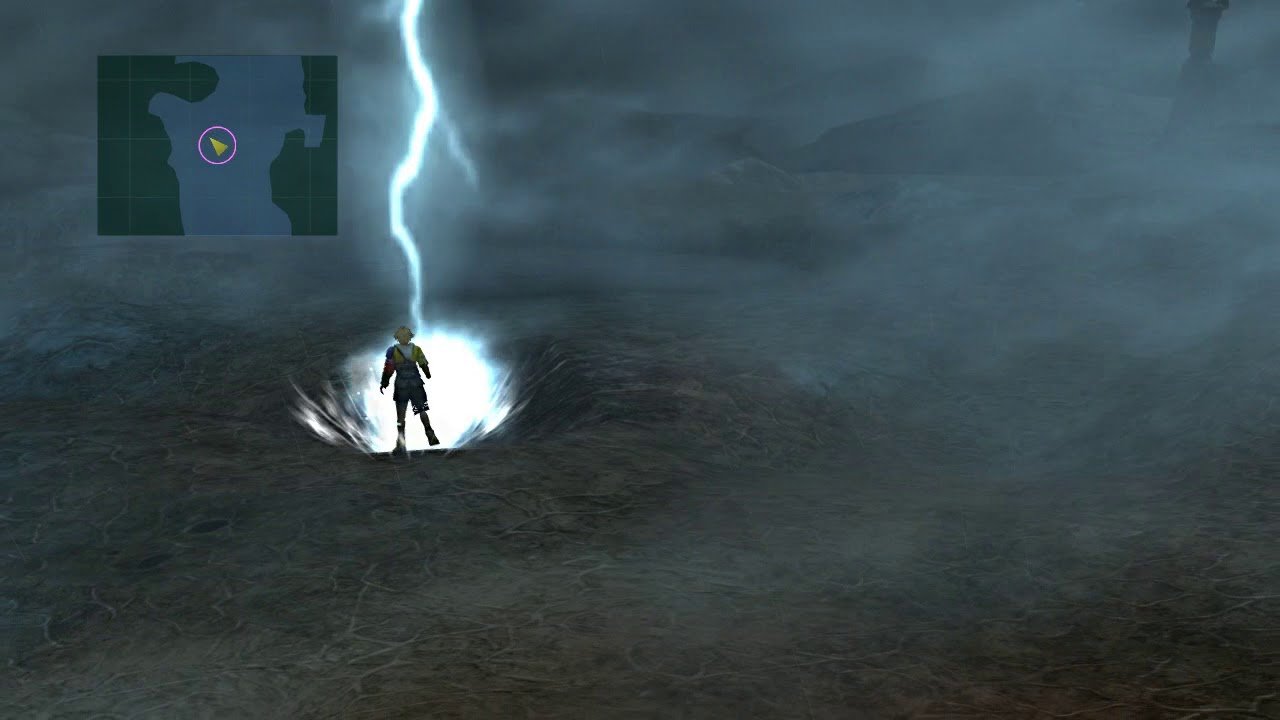
You literally have to dodge 200 lightning strikes for a doll in Final Fantasy X. I did it, and it’s a damn good doll.
2. Sunk Cost Fallacy
Once you’ve invested enough time, quitting feels like throwing progress away.
This is the moment when you’re not having fun, but you’re too far in and stopping feels irrational
Games exploit this with:
Near-level XP bars
Long unlock trees
“Only 3 more runs” pacing
Grinding doesn’t force you to stay. It makes leaving feel stupid.
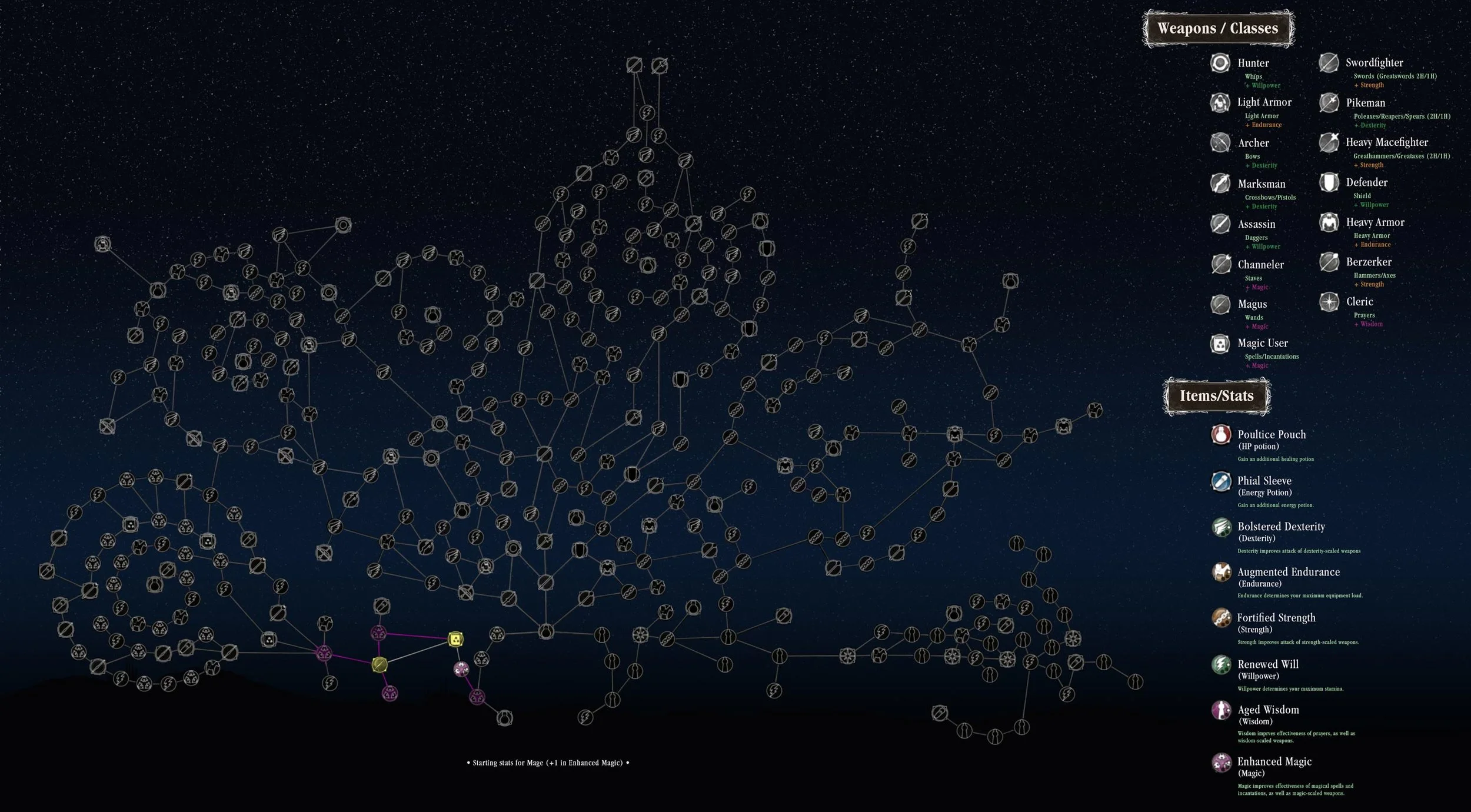
The skill tree has now become a forest. And we are now lost in the woods.
3. Reward Loops (Yes, Dopamine)
(Skinner, 1953; Schultz, 1997)
Grinding relies on predictable reward loops:
Action → Anticipation → Reward → Repeat
Neuroscience research (notably by Wolfram Schultz) shows dopamine spikes before rewards, during anticipation and not after.
Translation:
The XP bar filling feels good even if the reward sucks.
This is why the low drop rates still work, incremental upgrades still hook, and the “Just one more run” feeling still hits
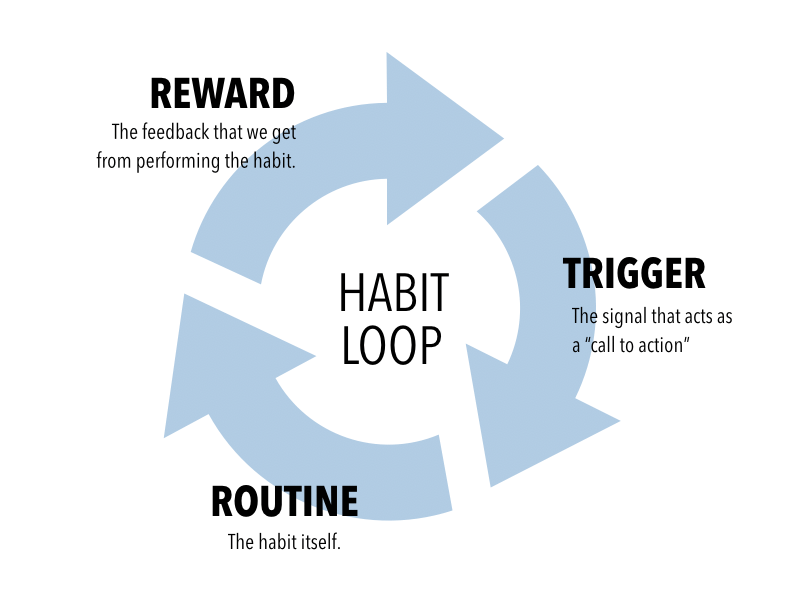
“You spin me right round, baby, right round. “
The dopamine that is released doesn’t mean happiness in this context; it’s a system that lets motivation continue.
Why Grinding Feels “Relaxing”
Players often say grinding is relaxing, and they’re not wrong.
Grinding tends to lower the cognitive load, and it removes uncertainty, which eliminates decision fatigue.
This lines up with low-challenge flow states (Csikszentmihalyi, 1990), where familiarity replaces problem-solving.
That’s why people grind in games like World of Warcraft, WARFRAME, or even after hard bosses in Dark Souls.
Sometimes you don’t want tension. You just want chores with loot.
What Grinding Is Not
Grinding is not skill mastery, mechanical depth, or narrative progression.
Grinding is time conversion.
Time → Progress
Progress → Commitment
Commitment → Retention
This is also where engagement metrics quietly light up green.
The Actual Cost
The longer you grind, the harder it is to stop.
Not because the game demands it, but because stopping would mean admitting that the time spent wasn’t that meaningful.
Grinding convinces players to trap themselves.
And it does so politely.
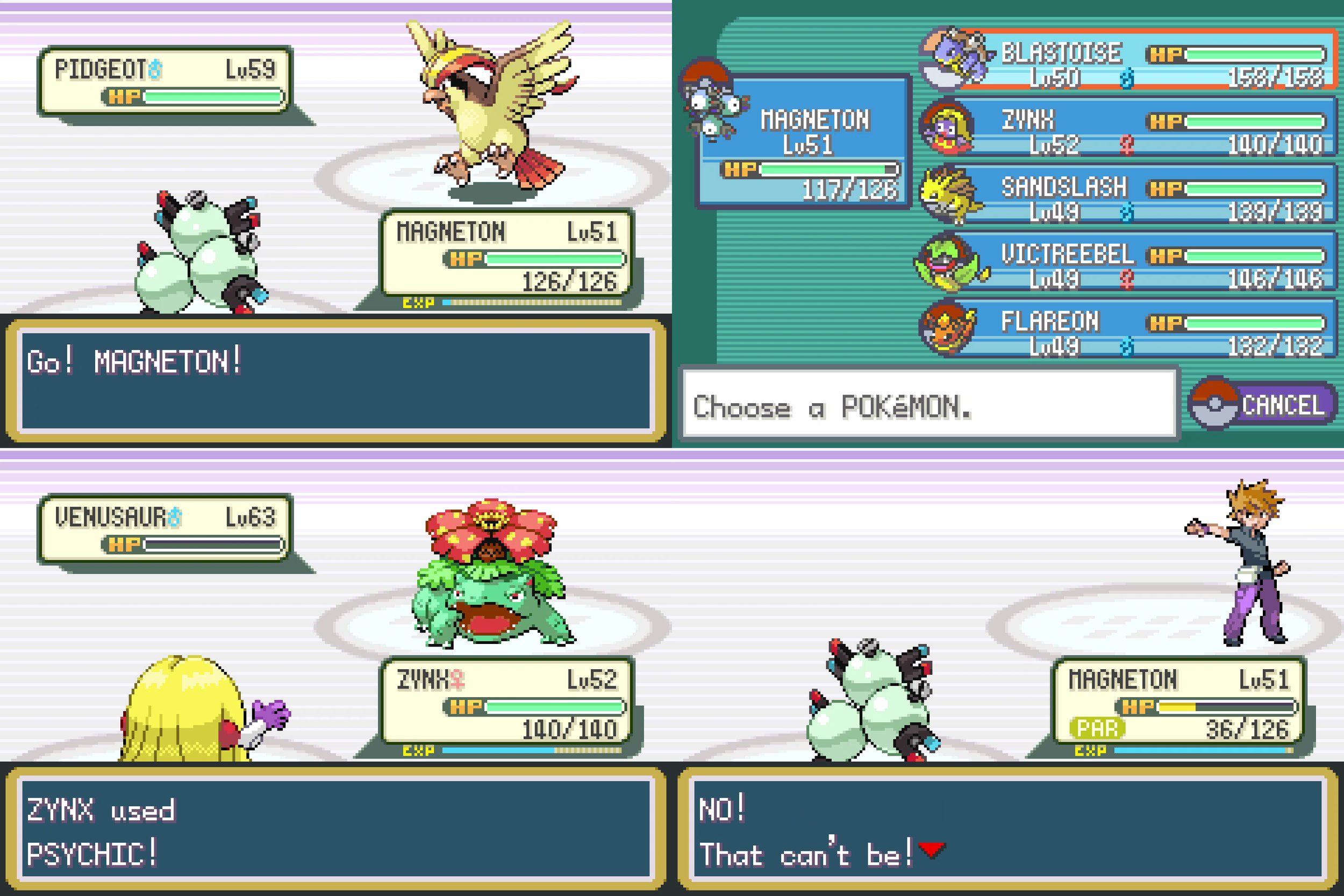
“Would you kindly level up these Pokémon, please?”
So Is Grinding Bad?
Not automatically.
Grinding can smooth difficulty curves, and it rewards persistence. It gives players control over pacing, but when repetition exists only to inflate playtime, delay content, or pad progression systems…that’s not a challenge, that’s stalling.
Good design makes the most fun path the most efficient path.
Bad design makes you feel guilty for not grinding.
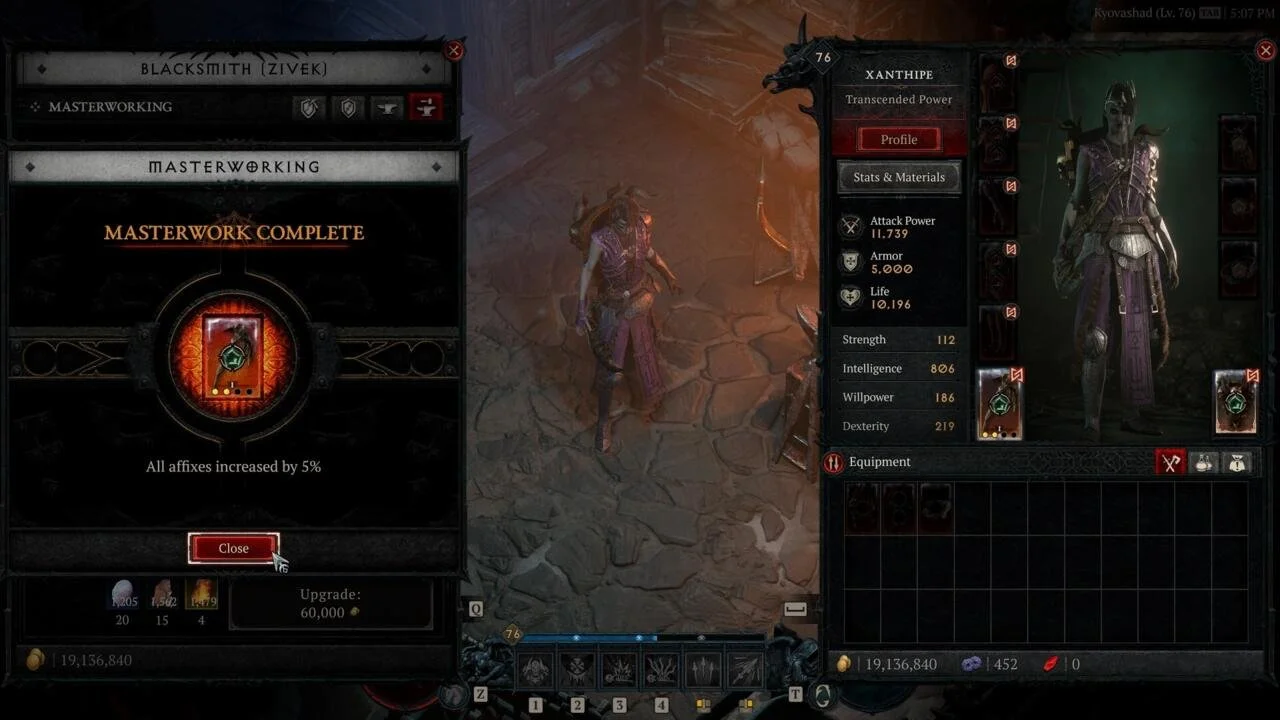
Or you can just pay for it! Grind your real life for some cash and trade that in.
Final Thoughts
Grinding feels fair because effort feels fair, but effort alone isn’t depth, and time spent isn’t the same as time well spent.
If you’re going to grind, at least know why.
That’s today’s lesson. Save your progress.
References (for the footer or sidebar)
Arkes, H. R., & Blumer, C. (1985). The Psychology of Sunk Cost. Organizational Behavior and Human Decision Processes.
Thaler, R. (1980). Toward a Positive Theory of Consumer Choice. Journal of Economic Behavior & Organization.
Skinner, B. F. (1953). Science and Human Behavior.
Schultz, W. (1997). A Neural Substrate of Prediction and Reward. Science.
Csikszentmihalyi, M. (1990). Flow: The Psychology of Optimal Experience.